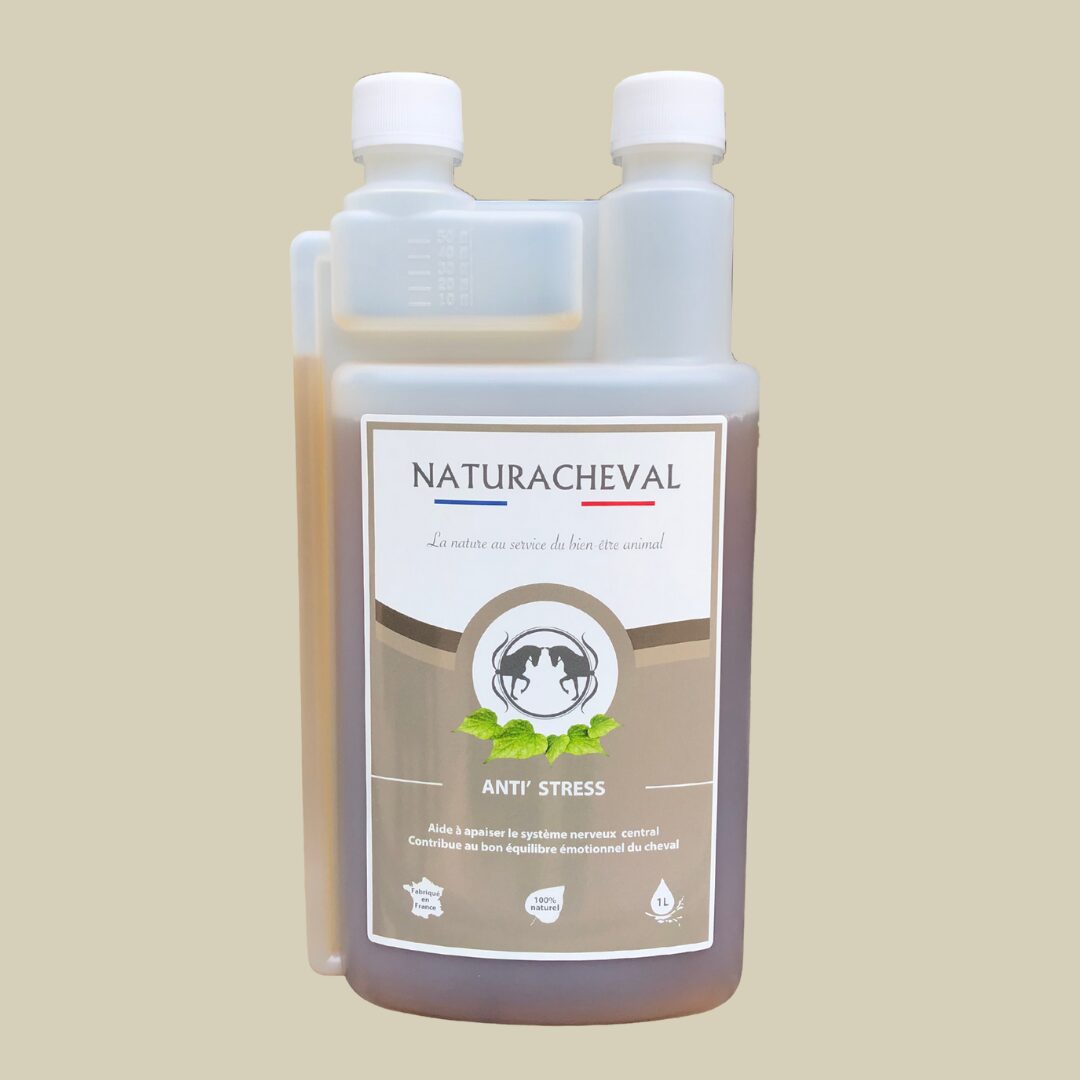
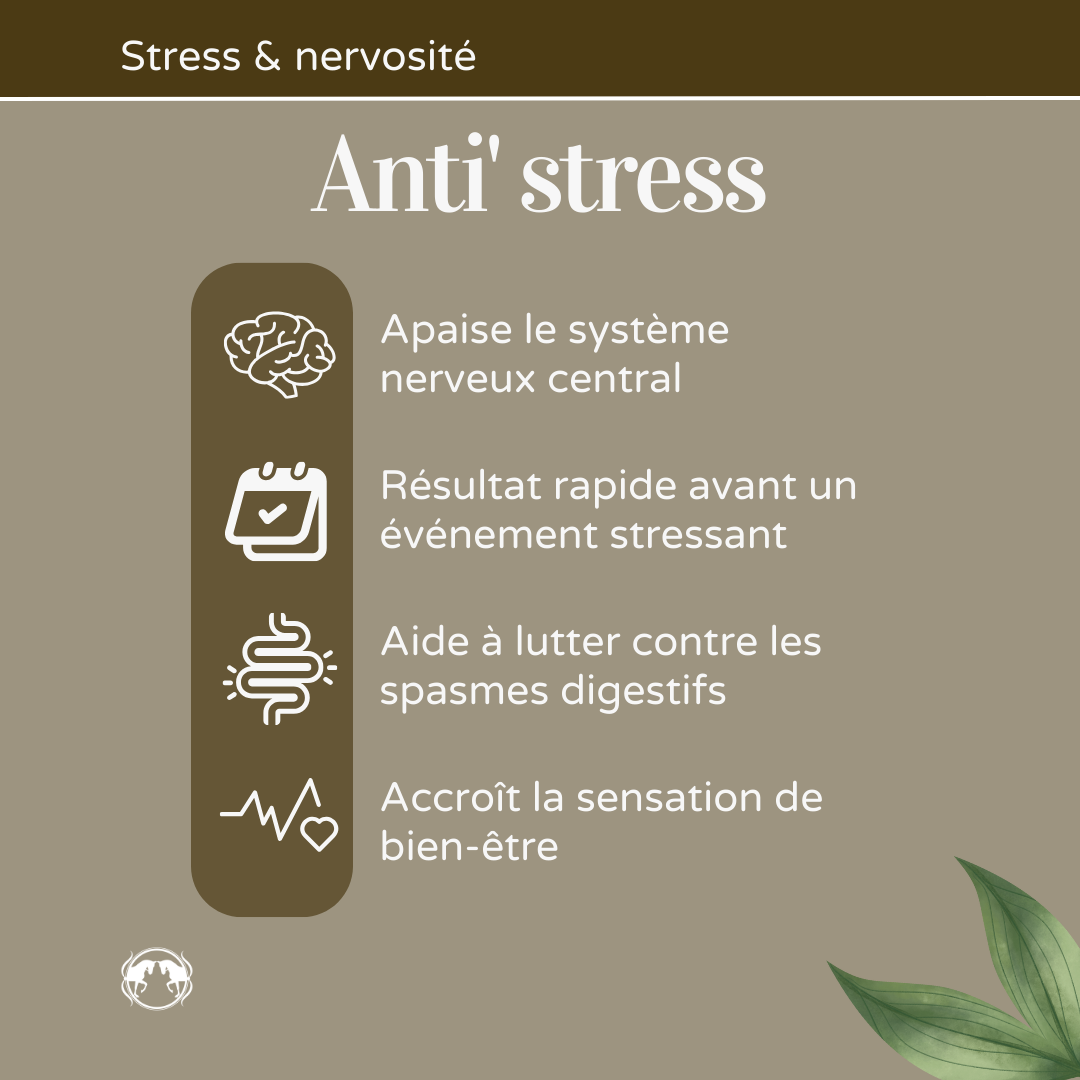
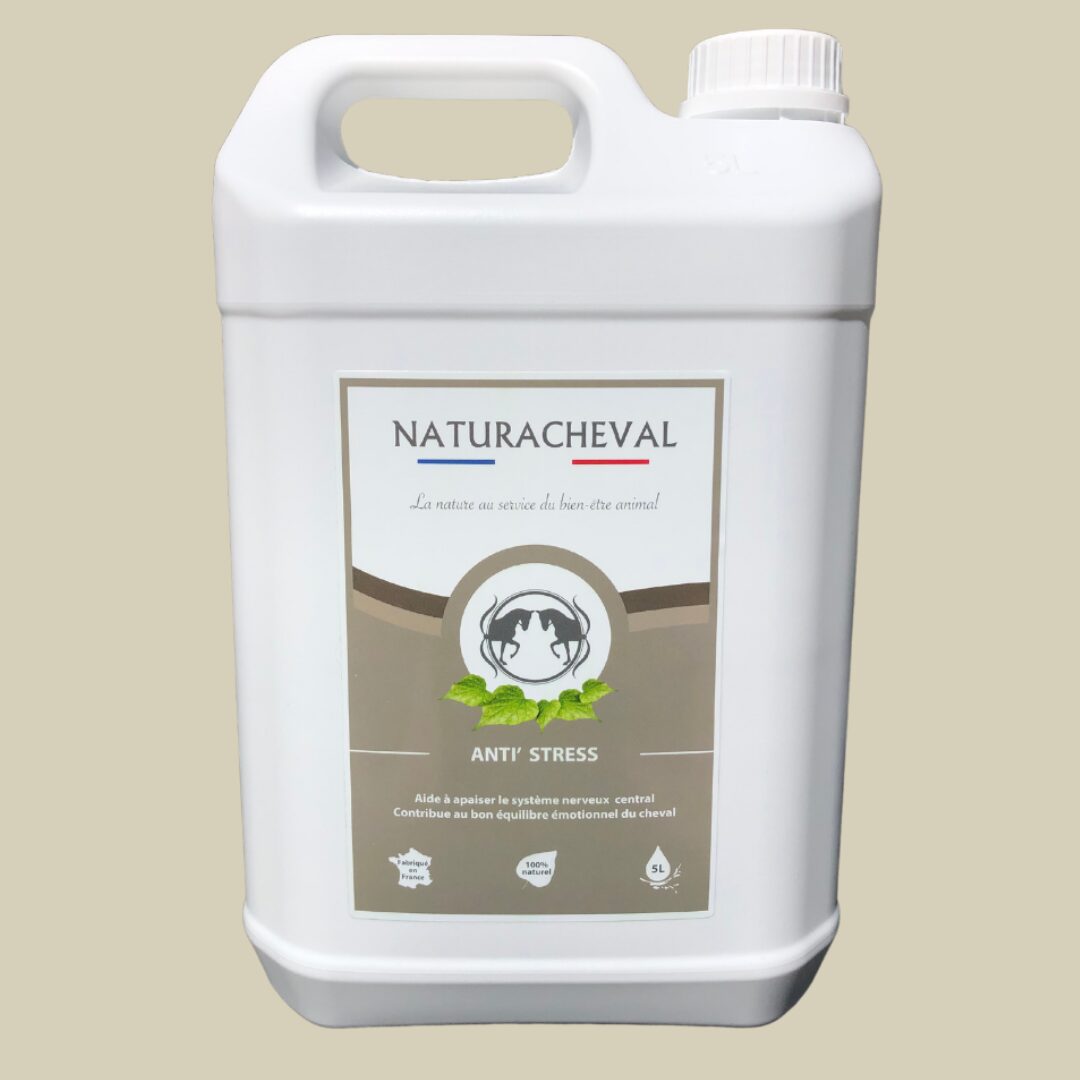
The horse is often a symbol of strength, robustness and freedom for us. Nevertheless, this animal often shows significant stress: recognizing and managing it is essential to prevent potential health problems and allow a good relationship between the animal and the human. It is for his emotional well-being that we have created our complementary food ANTI’ STRESS to help him naturally soothe his nervous system. Because when a horse is stressed, not only does its quality of life suffer, but it can also have consequences on its performance, reproduction, etc.

The main causes of stress
Horses’ sensitivity to stress is instinctive and takes us back to their prey state in the wild, where their survival depended on their ability to escape in time. Once domesticated away from their original environment, daily interactions, events and activities can create real nervousness and thus taint their well-being.
Nervousness in horses is multifactorial and can result from a variety of situations, both internal and external. Understanding their causes is the first step to implementing appropriate solutions:
- Environment : Changes in their environment, moving, transportation, medical care, climate changes, or changes to their usual living space can all cause disruption for our equine friends.
- Social interactions : living in herds, they need interaction with their fellow creatures, so loneliness, conflicts or a new meadow companion can become risk factors.
- Work and activities : intense, unsuitable activity or, conversely, a lack of activity can create nervous tension. Just as a change in the daily routine disturbs the emotional balance of the equine, as well as abrupt handling, a change in training methods, etc.
- Health problems : just like in humans, illnesses, pain, immobility, can be a direct or indirect cause of stress.
- Sensory factors : how many riders have to deal with their pet’s reflex reactions in response to loud noises, excessive light, or other unusual or excessive sensory stimulation. But for some, it goes far beyond a reflex, it’s a fear and apprehension that prevents work and their emotional well-being.
Signs that indicate a stressed horse
In horses, this can manifest itself in a variety of ways, ranging from obvious signs to more subtle signs, it is crucial for owners and caregivers to know how to recognize these elements in order to be able to intervene quickly:

Restless behaviour : It is obvious that when our companion is nervous or anxious, we expect his behaviour to be agitated, excessive such as rearing, to kick, to roll frequently, or to allow himself less time to rest.

Repetitive movements : some develop stereotypical behaviors characteristic of a nervous state such as tic support (swinging the head against a support), cribbing (biting and sucking air), etc.

Changes in appetite and digestive problems : refusal to eat, lack of appetite or, conversely, excessive eating, can be a sign of mental imbalance. As the horse’s digestive system is very sensitive, this can have direct repercussions and lead to colic or other gastrointestinal problems.

Changes in social behaviour : the animal may become less social, isolate itself, be aggressive or submissive, or conversely it often calls out to its fellow animals.

Physical signs : the impacts of nervous well-being are visible on the body as a whole, this can lead to excessive sweating without physical effort, rapid breathing, a high heart rate, or tremors, wide eyes, staring, or ears constantly back.
Recognizing these signs is essential to provide the horse with proper attention and care. By identifying and treating the reasons early, further complications can be avoided and better emotional well-being can be ensured.
Consequences of intense stress
Sometimes it is not just a temporary emotional state, if left untreated or taken into account, it can have long-term consequences on one’s health and well-being. In addition to the clinical signs, mentioned above, which can be harmful to the horse, prolonged or recurrent stress affects its immune system making it more susceptible to infections and diseases. Gastric sensitivity can also lead to ulcers, and dermatological problems or musculoskeletal disorders can be caused by stress.
The animal’s performance also depends on its emotional well-being, it concentrates less, and new tasks are less well assimilated. His behavior is thus modified, and can lead to injuries if he panics, or mistrust of humans or his fellow humans.
Beyond physical and behavioral problems, chronic stress decreases the quality of life of the equine: it may feel unhappy, anxious and less inclined to interact with its environment.
How to help your horse cope with stress?
First of all, we advise you to create a reassuring and serene environment for your companion while providing him with the necessary care. Here are some possible interventions:
-Environment
Providing a comfortable, safe and stimulating living space is essential for your pet’s psychology. Make sure it has shelter from the elements, a clean cubicle and regular access to fresh water. Contact with other conspecifics and the possibility of grazing also helps to reduce anxiety. Of course, gentle and predictable handling of the horse is recommended, avoiding loud noises and sudden movements. Some horses also appreciate routine, and are reassured when their daily life is punctuated on a regular basis by feeding, exercise and rest.
-Feeding
In their natural state, they spend an average of 16 hours a day eating! Thus, to promote their well-being and therefore their relaxation, it is necessary to ensure that they have access to continuous food such as hay. A balanced intake of nutrients, amino acids, vitamins, and trace elements is fundamental to ensuring good overall health. Phytotherapy also offers a very interesting supplement to guarantee the good quality of the nutrients.
– Complementary foods
In addition to daily food, or occasionally to anticipate a stressful event, we have developed our ANTI’STRESS based on 8 plants with proven soothing properties to help you manage the nervousness of your equine companion. French and natural, our complementary feed has been formulated to support the horse’s nervous system, help it relax and better manage risky situations.
As we have seen, multiple parameters come into play for the emotional well-being of the equine, and this requires a global approach that encompasses the environment, routine, diet, and specific supplements. The addition of complementary feed cannot come without this multifactorial approach.
Our ANTI’STRESS product from NaturaCheval is an example of what Mother Nature does best to naturally support the horse to live more serenely.

Ubepin a: Known for its cardiotonic properties, it also helps to soothe the nervous system and regulate heart rate.

Meadowsweet: Naturally anti-inflammatory, it supports muscle and joint function, providing physical comfort that helps reduce anxiety.

St. John’s wort : A herb traditionally used to treat symptoms of depression and anxiety and helps stabilize mood.

Nourishment: Known for its relaxing properties, it helps fight insomnia and restlessness.

Dried carrot: A source of essential nutrients, it provides the vitamins necessary to support general well-being.

Lemonbalm : Soothing and relaxing, it is often used to reduce anxiety and promote sleep.

Vervein: An herb that soothes the nervous system and helps relax muscles.

Rhodiola: An adaptogenic herb that helps the body adapt to stressful situations, supporting endurance and resilience.
By combining these natural ingredients, our ANTI’ STRESS supports the horse’s nervous system, calming it and helping to better manage risky situations. It is a natural alternative that avoids the side effects of chemical drugs while providing a complete response to the challenges of stress in horses.
Conclusion
Stress in horses, although often underestimated, can have serious consequences on their health, well-being and interactions with humans. Understanding its causes, recognizing its signs and acting accordingly is a duty for any equine owner, caregiver or enthusiast. The natural approach, which focuses on prevention, listening and respect for the animal, is undoubtedly the best way to support its well-being. By offering you the ANTI’ STRESS, we wanted to develop a gentle, natural and effective solution to support our horses in their serenity.